
Facts and figures, do’s and don’t on a range of health and food related topics

AdditivesBlog TopicsColorantsDietsFlavoringsFood ChemistryFood SafetyInformational BlogNews & OpinionNutritionPreservatives
We ARE what we EAT – Are your kids red dye #40?
It was brought to my attention last night that I have been remiss in my reporting about food that children eat. More like, food that parents feed children.

I’m not a parent
Keep in mind that I am not a parent. I am however a uncle and I love my nieces, nephews, grand-nieces and grand-nephews, very much. What is more important to a growing body and mind than what fuels their growth? Nothing! Far from me to judge what a parent feeds their children. Look what a young parent is up against.
First of all a young parent is new at everything. There is no owners manual for a kid, only older family members, friends, self help books and human nature to provide a basis for keeping their child alive and hopefully making them thrive. Young parents are many times, just getting married and are still learning who takes out the trash and who does the check book and whose mess is on the floor. Then enters a child. All bets are out the window. Nothing matters except what is at hand; the life and well being of that new born. What are you going to feed your baby? You are going to go to the store, most likely hauling the child with you, and not being able to bend over, you are going to do exactly what the marketing people what you to do. Are you going to read the label? Hell no, not with a kid tugging at you. You are going to buy the food on the shelf at eye level. The highest margin products. The colorful ones that the kids go oh, oh, oh and point at. Maybe you’ll remember that you saw it on TV. It must be OK then, right? Not so much.
National Advertising
National advertising from manufactures creates national peer pressure on parents. While, I’m not a parent, I am an advertising major in school and worked with a graphic design group for several years and so is my wife. Advertisers know exactly what children and therefore their parents are looking for. Kids like bright colors, sweet stuff, things they see in bright loud ads but most of all, they want the stuff their friends have.
The manufactures have a responsibility to their board of directors, who have a responsibility to their share holders to make as much profit for the company as possible. All companies have an ethical obligation to provide a product that won’t do immediate harm to its consumer and that is about as far as it goes. But what if no studies have ever been done on an the long term effects of a food additive on growing children, but that additive has been used in the food industry for years with out many complaints? It gets used until proven to be harmful.
Have you ever taken your child shopping with you (not really the best idea, but mostly unavoidable) and while you are picking out the product you intended to purchase, your child says, “no mommy, I want this one”? That one is the bright colorful one right at their eye level. Welcome to the world of consumer advertising.
You Are Responsible
You and only you are responsible for what YOU AND YOUR FAMILY eats. Not the government. They WILL NOT hold your hand. I repeat. This is on YOU! You make the decision of what to put in your families bodies. Contrary to many people’s belief’s, not everything for sale is good for you or even SAFE. In this day and age of easy information, there is no excuse. None! I’m here to help. Ask me a question. please. – jughandle
Too Much to Touch on
This topic is way too broad to even touch on all the important aspects. What we’ll have to do is to delve into one of the most important HOT topics and move on later. Food coloring additives are a pet peeve of the Fat Farm and many of it’s Farmers. That too is way to broad a topic to hit on so I’ll narrow it to one color at a time.
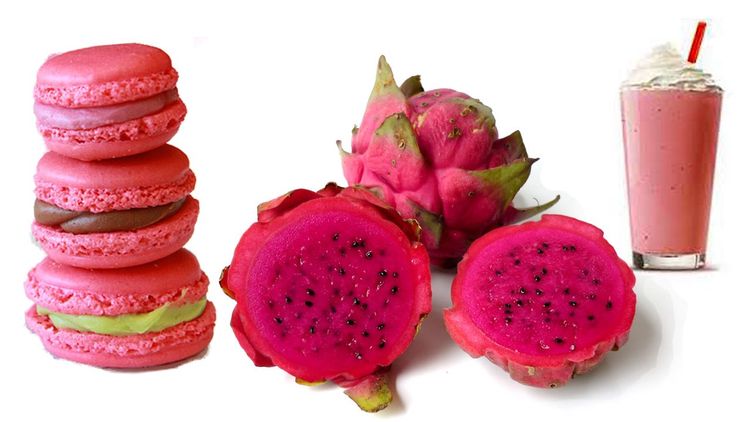
Red dye #40
Red Dye #40
Just to get your attention, I’m going to list just a few of the known side effects of this nasty color additive.
- Impaired brain function
- hyperactive behavior
- difficulty focusing
- lack of impulse control
Those are just the starters. Don’t believe me? Go to Healthy Living and read for yourself
These problems have been blamed on newly named syndromes and diseases like ADHD, ADD and others. What came first the chicken or the egg?
If your child gets hyperactive after eating a sweet food. Don’t blame it on the sugar any more, check out what color the food was.
Where are these dyes used?
EVERYWHERE! Read the labels. If you don’t have time to do the research, let me. Send me a quick email or note on this blog telling me the name and brand of food you want me to research and I’ll do the math for all of us. Better even than that – if you find a “good” food let me know and I’ll tell the world. Shoot, I’ll write the president of the company and tell them we endorse their product.
What to look for
Look for labels that say things like – ALL NATURAL; NO BINDERS, NO ARTIFICIAL COLORS, DYES OR PRESERVATIVES
What are your kids eating for breakfast?
Breakfast, as we’ve always heard, is the most important meal of the day. More so for children. Research shows that children’s brain function improves up to 80% when they consume protein first thing in the morning. What are your kids eating for breakfast? A fruity bowl of sugar and Red 40?
List of Dyes and their health effects
Sources:
|
|
Conclusions and Recommendations
Oh God, I could go on and on about this and I will another time, but I don’t want to lose you. Please start by simply eliminating Red dye from your family’s diet. What the hell, remove yellow dye too! See if you can tell a difference. More to come – jughandle

Pantry 101 – General Goods & Condiments 7-10
General goods & Condiments
1. rice
2. dried pasta in different shapes
3. dried onion soup mix
4. tomato paste
5. tomato sauce
6. canned tomatoes
7. peanut butter
8. jelly
9. canned tuna
10. raisins
11. chocolate syrup
12. cereals
13. chicken or beef stock
14. canned soups
15. canned beans
16. olives
17. canned pears
18. canned peaches
19. applesauce
20. vegetable oil
21. olive oil
22. red wine vinegar
23. white wine vinegar
24. vegetable shortening
25. nonstick cooking spray
26. mayonnaise
27. ketchup
28. mustard
29. salad dressings
30. soy sauce
31. hot pepper sauce
32. Worcestershire sauce
33. barbecue sauce
34. salsa
35. honey
36. maple syrup
37. white wine for cooking
38. red wine for cooking
39. Mango Chutney
7) peanut butter
is a food paste made primarily from ground roasted peanuts, with or without added oil. It is popular throughout the world and is also manufactured in some emerging markets. Its primary use is as a sandwich spread. Similar peanut pastes are popular in various cultures. In South Indian cooking, chili peppers are added to make a spicy variant of peanut paste. In Andhra Pradesh, India, peanut chutney is popular. In this variation, peanuts are ground and mixed with chili peppers and other ingredients. In some types of gourmet peanut butter, chocolate or other ingredients may be added. Various nut butters are also made from other nuts.
Health benefits
Peanut butter may protect against a high risk of cardiovascular disease due to high levels of monounsaturated fats and resveratrol; butter prepared with the skin of the peanuts has a greater level of resveratrol and other health-aiding agents. Peanut butter (and peanuts) provide protein, vitamins B3 and E, magnesium, folate, dietary fiber, arginine, and high levels of the antioxidant p-coumaric acid.
Health concerns
For people with a peanut allergy, peanut butter can cause reactions including anaphylactic shock which has led to its banning in some schools.
The peanut plant is susceptible to the mold Aspergillus flavus which produces a carcinogenic substance called aflatoxin.[5] Since it is impossible to completely remove every instance of aflatoxins, contamination of peanuts and peanut butter is monitored in many countries to ensure safe levels of this carcinogen. Average American peanut butter contains about 13 parts per billion of aflatoxins, a thousand times below the maximum recommended safe level.
Some brands of peanut butter may contain a large amount of added hydrogenated vegetable oils, which are high in trans fatty acids, thought to be a cause of atherosclerosis, coronary heart disease, and stroke; these oils are added to make the butter easier to spread. Natural peanut butter, and peanuts, do not contain partially hydrogenated oils. A USDA survey of commercial peanut butters in the US did not show the presence of trans fat.
Also, at least one study has found that peanut oil caused relatively heavy clogging of arteries. Robert Wissler, of the University of Chicago, reported that diets high in peanut oil, when combined with cholesterol intake, clogged the arteries of Rhesus monkeys more than did butterfat.
So, to sum up; peanutbutter good, additives bad. As always, read the labels, look for and avoid added anything. The shorter the list, the better. Avoid hydrogenated vegetable oils.
8) jelly
Jelly is strictly defined in the US as: That semisolid food made from not less than 45 parts by weight of fruit juice ingredient to each 55 parts by weight of sugar. This mixture is concentrated to not less than 65 percent soluble solids. Pectin and acid may be added to overcome the deficiencies that occur in the fruit itself. Flavoring and coloring agents may also be added. The name of the fruit used in making the jelly must be stated with other ingredients, in order of declining by weights, on the label of such products offered for sale in the US.
Store bought jellies or Jams generally contain more additives than home made. If you can get home made from a friend or relative that knows how to preserve, do it. It will almost always be better.
Why Fruit Jellies are Stable – Jelly, jam, fruit butters, marmalades and preserves are products that are stable because they are high in solids (sugar) and high in acids. A food substrate concentrated to 65 percent of more soluble solids (sugar) and which contains substantial acid may be preserved with relatively minor heat treatment provided that food product is protected from air. The high fruit solids and the pectin bind or tie-up the moisture sufficiently to lower the water activity to a level where only molds can grow. Hermetic sealing protects the product form moisture loss, mold growth and oxidation. – http://www.ianrpubs.unl.edu/epublic/live/g1604/build/g1604.pdf
Long story short. Use good canning practices, use good ripe fruit and after you open it put it in the refrig. Also remember that there are a lot of sugars in jelly and that will spike your blood sugar. Avoid sugar whenever possible.
Side bar- Jelly is made from juice, Jams are made with the fruit pulp in it, Fruit Butter is the smooth, semisolid paste with a ratio of five parts fruit to two parts sugar, and Marmalade is usually made from citrus fruit or may contain a citrus peel.
9) canned tuna
This can be a controversial subject, because of the fishing methods used to obtain the fish. Very large nets are strung out for miles and pulled in catching everything that’s out there. Sharks are caught in the nets and drown, because they need to keep moving at all times. Sea turtles are also caught and die in the nets. Mostly people are upset about the dolphins getting caught and dieing or being injured in the nets. With that said. Tuna is a great source of nutrition. Most of the next paragraphs come from Wikipedia.
Tuna are several species of ocean-dwelling fish in the family Scombridae, mostly in the genus Thunnus. Tunas are fast swimmers—they have been clocked at 70 km/h (45 mph)—and include several species that are warm-blooded. Unlike most fish species, which have white flesh, tuna have flesh that is pink to dark red. The red coloring comes from tuna muscle tissue’s greater quantities of myoglobin, an oxygen-binding molecule. Some of the larger tuna species, such as the bluefin tuna, can raise their blood temperature above that of the water through muscular activity. This ability enables them to live in cooler waters and to survive in a wide range of ocean environments
Tuna is an important commercial fish. Some varieties of tuna, such as the bluefin and bigeye tuna, Thunnus obesus, are threatened by overfishing, which dramatically affects tuna populations in the Atlantic and northwestern Pacific Oceans. Other areas seem to support fairly healthy populations of some of the over 48 different species of tuna —for example, the central and western Pacific skipjack tuna, Katsuwonus pelamis—but there is mounting evidence that overexploitation threatens tuna populations worldwide. The Australian government alleged in 2006 that Japan had illegally overfished southern bluefin by taking 12,000 to 20,000 tonnes per year instead of the their agreed 6,000 tonnes; the value of such overfishing would be as much as USD $2 billion. Such overfishing has resulted in severe damage to stocks. According to the WWF, “Japan’s huge appetite for tuna will take the most sought-after stocks to the brink of commercial extinction unless fisheries agree on more rigid quotas”.[2]
Increasing quantities of high-grade tuna are entering the market from operations that rear tuna in net pens and feed them a variety of bait fish. In Australia the southern bluefin tuna, Thunnus maccoyii, is one of two species of bluefin tunas that are kept in tuna farms by former fishermen.[3] Its close relative, the northern bluefin tuna, Thunnus thynnus, is being used to develop tuna farming industries in the Mediterranean, North America and Japan.
Due to their high position in the food chain and the subsequent accumulation of heavy metals from their diet, mercury levels can be high in larger species such as bluefin and albacore. As a result, in March 2004 the United States FDA issued guidelines recommending that pregnant women, nursing mothers and children limit their intake of tuna and other types of predatory fish.[4] However, most canned light tuna is skipjack tuna, which is lower in mercury. The Chicago Tribune reported that some canned light tuna such as yellowfin tuna[5] is significantly higher in mercury than skipjack tuna, and caused Consumers Union and other health groups to advise pregnant women to refrain from consuming canned tuna.[6] The Eastern little tuna (Euthynnus affinis) has been available for decades as a low-mercury, less expensive canned tuna. However, of the five major species of canned tuna imported by the United States it is the least commercially attractive, primarily due to its dark color and more pronounced ‘fishy’ flavor. Its use has traditionally been restricted exclusively to institutional (non-retail) commerce.
Canned tuna
Canned tuna was first produced in 1903, and quickly became popular. In the United States, only Albacore can legally be sold in canned form as “white meat tuna”; in other countries, Yellowfin is also acceptable as “white meat tuna.”
While in the early 1980s canned tuna in Australia was most likely to be Southern bluefin, as of 2003 it is usually yellowfin, skipjack, or tongol (labelled “northern bluefin”).
As tuna are often caught great distances from where they are processed, poor quality control may lead to spoilage. Tuna are typically eviscerated by hand, then pre-cooked for 45 minutes to three hours. The fish are then cleaned and filleted, packaged into cans, and sealed. The second cooking of the tuna meat (called retort cooking) is carried out in the cans, this time for 2 to 4 hours. This process kills any bacteria, but retains the histamine that can produce rancid flavors. The international standard sets the maximum histamine level at 200 milligrams per kilogram. An Australian study of 53 varieties of unflavored canned tuna found none to exceed the maximum histamine level, although some had “off” flavors.
Australian standards once required cans of tuna to contain at least 51% tuna, but these regulations were dropped in 2003. The remaining weight is usually oil or water. In the US, the FDA has regulations on canned tuna
Association with dolphins
Many tuna species associate with dolphins, swimming alongside them. These include yellowfin tuna in the eastern Pacific Ocean, but not albacore or skipjack. The reason for the association is believed to be the avoidance of dolphins by sharks, which are predators of tuna. Swimming near dolphins reduces the likelihood of the tuna being attacked by a shark.
Fishing vessels can exploit this association by searching for pods of dolphins. They encircle the pod with nets to catch the tuna beneath. The nets are prone to entangling dolphins, thus injuring or killing them. As a result of public outcry, methods have been made more “dolphin friendly”, now generally involving lines rather than nets. However, there are neither universal independent inspection programs nor verification of “dolphin safeness” to show that dolphins are not harmed during tuna fishing. According to Consumers Union, the resulting lack of accountability means claims that tuna that is “dolphin safe” should be given little credence.
Canned tuna is a prominent component in many weight trainers‘ diets, as it is very high in protein and is easily prepared.
Tuna is an Oily fish, and therefore contains a high amount of Vitamin D. A can of tuna in oil contains about the Adequate Intake (AI) of the US Dietary Reference Intake of vitamin D for infants, children, men, and women aged 19–50 – 200 UI.
Canned tuna can also be a good source of omega-3 fatty acids, of which it sometimes contains over 300 mg per serving. A January 2008 report conducted by the New York Times has found potentially dangerous levels of mercury in certain varieties of sushi tuna, reporting levels “so high that the Food and Drug Administration could take legal action to remove the fish from the market.”
To summarize: Canned tuna is a great source of protein. Avoid tuna packed in oil. If you don’t want to risk the off flavor associated with cans, look for pouch packaged tuna. If you don’t want to hurt other fish, buy only line caught tuna, or tuna steaks. If you don’t want to risk mercury poisoning or IF YOU ARE PREGNANT, avoid tuna all together.
10) raisins
Raisins are dried grapes. They are produced in many regions of the world, such as the United States, Australia, Chile, Argentina, Mexico, Greece, Turkey, India, Iran, Pakistan, China, Afghanistan, Togo, and Jamaica, as well as South Africa and Southern and Eastern Europe. Raisins may be eaten raw or used in cooking and baking.
Raisin varieties depend on the type of grape used. Seedless varieties include the Sultana (also known as “Thompson Seedless” in the USA) and Flame. Raisins are typically sun-dried, but may also be “water-dipped,” or dehydrated. “Golden raisins” are made from Sultanas, treated with Sulfur Dioxide (SO2) , and flame dried to give them their characteristic color. A particular variety of seedless grape, the Black Corinth, is also sun dried to produce Zante currants, mini raisins that are much darker in color and have a tart, tangy flavour. Several varieties of raisins are produced in Asia and, in the West, are only available at ethnic specialty grocers. Green raisins are produced in Iran. Raisins have a variety of colors (green, black, blue, purple, yellow) and sizes.
Raisins are about 60% sugars by weight, most of which is fructose. Raisins are also high in certain antioxidants, and are comparable to prunes and apricots in this regard. As for all dried fruits, raisins have a very low vitamin C content.
The natural sugar in grapes crystallizes during the drying process.
Raisins are sweet due to their high concentration of sugars. If they are stored for a long period, the sugar inside the fruit crystallizes. This makes the dry raisins gritty, but does not affect their usability. The sugar grains dissolve when the raisins are swelled in (hot) water.
Grape and raisin toxicity in dogs
From Wikipedia, the free encyclopedia
The consumption of grapes and raisins presents a potential health threat to dogs. Their toxicity to dogs can cause the animal to develop acute renal failure (the sudden development of kidney failure) with anuria (a lack of urine production). The phenomenon was first identified by the Animal Poison Control Center (APCC), run by the American Society for the Prevention of Cruelty to Animals (ASPCA). A trend was seen as far back as 1999. Approximately 140 cases were seen by the APCC in the one year from April 2003 to April 2004, with 50 developing symptoms and seven dying.
Cause and pathology
The reason why some dogs develop renal failure following ingestion of grapes and raisins is not known. Types of grapes involved include both seedless and seeded, store bought and homegrown, and grape pressings from wineries. A mycotoxin is suspected to be involved, but one has not been found in grapes or raisins ingested by affected dogs. The estimated toxic dose of grapes is 32 g/kg (grams of grapes per kilograms of mass of the dog), and for raisins it is 11–30 g/kg. The most common pathological finding is proximal renal tubular necrosis. In some cases, an accumulation of an unidentified golden-brown pigment was found within renal epithelial cells.
Symptoms and diagnosis
Vomiting and diarrhea are often the first symptoms of grape or raisin toxicity. They often develop within a few hours of ingestion. Pieces of grapes or raisins may be present in the vomitus or stool. Further symptoms include weakness, not eating, increased drinking, and abdominal pain. Acute renal failure develops within 48 hours of ingestion A blood test may reveal increases in blood urea nitrogen (BUN), creatinine, phosphorus, and calcium.
Treatment
Emesis (induction of vomiting) is the generally recommended treatment if a dog has eaten grapes or raisins within the past two hours. A veterinarian may use an emetic such as hydrogen peroxide or apomorphine to cause the dog to vomit. Further treatment may involve the use of activated charcoal to adsorb remaining toxins in the gastrointestinal tract and intravenous fluid therapy in the first 48 hours following ingestion to induce diuresis and help to prevent acute renal failure.Vomiting is treated with antiemetics and the stomach is protected from uremic (damage to the stomach from increased BUN) with H2 receptor antagonists. BUN, creatinine, calcium, phosphorus, sodium, and potassium levels are closely monitored. Dialysis of the blood (hemodialysis) and peritoneal dialysis can be used to support the kidneys if anuria develops. Oliguria (decreased urine production) can be treated with dopamine or furosemide to stimulate urine production.
The prognosis is guarded in any dog developing symptoms of toxicosis. A negative prognosis has been associated with oliguria or anuria, weakness, difficulty walking, and severe hypercalcemia (increased blood calcium levels).
You might have noticed that I added Mango Chutney to the bottom of the list. This was a suggestion from Mittie. We’ll talk more about it when we get there. Thanks, Mittie, for the input.
later-
Jughandle

General goods & Condiments
1. rice
2. dried pasta in different shapes
3. dried onion soup mix
4. tomato paste
5. tomato sauce
6. canned tomatoes
7. peanut butter
8. jelly
9. canned tuna
10. raisins
11. chocolate syrup
12. cereals
13. chicken or beef stock
14. canned soups
15. canned beans
16. olives
17. canned pears
18. canned peaches
19. applesauce
20. vegetable oil
21. olive oil
22. red wine vinegar
23. white wine vinegar
24. vegetable shortening
25. nonstick cooking spray
26. mayonnaise
27. ketchup
28. mustard
29. salad dressings
30. soy sauce
31. hot pepper sauce
32. Worcestershire sauce
33. barbecue sauce
34. salsa
35. honey
36. maple syrup
37. white wine for cooking
38. red wine for cooking
39. Mango Chutney
11) chocolate syrup
Let’s skip this one. I personally don’t see a need for another sugar packed pantry item. Anything you can do with chocolate syrup you can do with chocolate. Prove me wrong.
12) cereals
Have only one personal rule with cereals. They must be high in fiber per serving (5grams or more) low in sugar (5 grams or less) and low in calories. I have found a couple, but the one I like the best is Trader Joe’s High Fiber. It has 9 grams of fiber for a 80 calories 2/3c serving. Only 5 grams of sugar. It is a twig style cereal. Kashi makes several good ones too.
13) chicken or beef stock
These you need! You’ll use stock a lot. Don’t get the canned stuff. Buy the stock in the cardboard boxes with the spout. There are several different brands. Look for low sodium with little or no additives. Absolutely no MSG.
14) canned soups
These are an easy way to have a quick meal, snack, or just to add to a sauce or stew. Again, look for low sodium, no MSG, yada, yada. We’ve even found some good soups in those same cardboard boxes that are GREAT! Look around, read the labels, find something you like and buy 5 or six. They keep.
15) canned beans
The only canned beans we might do are canned re-fried beans or black beans. It is always better to buy dried beans and make your own. Plan the night before and soak your beans in a big pot. They will absorb a lot of water. Rinse and repeat. Then slow boil them in water, beer, stock, or what ever you come up with. Beans are a great source of everything good. EAT THEM OFTEN.
16) olives
I love all things olive. Oil, paste, whole, black, green, greek, etc, etc. They are very GOOD for you. Plus they are great to add to a dish either whole, chopped or in a puree. Olives are a strong flavor and mix well with a variety of dishes. We’ll do several olive recipes later.
17) Frozen pears
This was originally canned pears, and I can think of several uses of canned fruits, but all canned fruit has a bunch of added sugar. Frozen ones probably do too, but at least they aren’t already cooked to death.
18) canned peaches
See # 17
19) applesauce
This I kind of get. There are a lot of jarred applesauces that are naturally sweetened without additive that I would use. But I personally don’t use much applesauce, I like it, I just don’t use it. Let me know how you use it, if you do.
Until tomorrow –
Jughandle
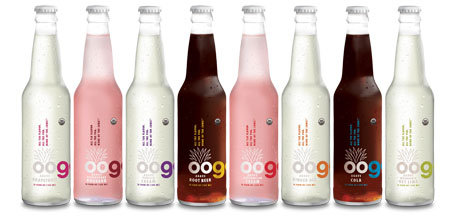
As a rebuttal to yesterday’s post about how bad Soda is for us, I promised to post some good news. Well, it’s good news, bad news. Good news is there are good, healthy drinks to be had, but the bad news is they might be a little hard to find.
From another story by Rodale, the following are 8 healthy sodas recommended by Emily Main
What make them healthy?
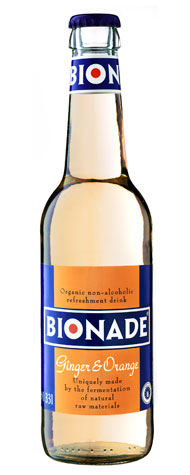
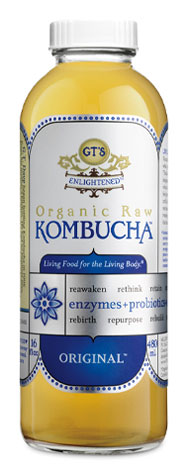
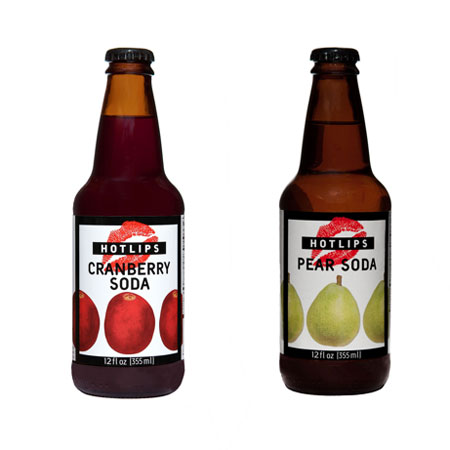
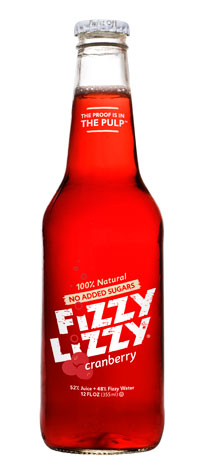
In order for these 8 to make the list they had to be free of GMO (genetically modified ingredients), phosphates, preservatives, and caramel coloring. Can’t come in a can that might be coated in bisphenol-A and can’t have artificial sweeteners if they are sweetened at all.
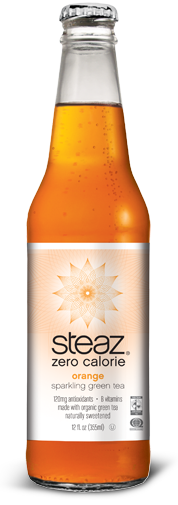
Steaz Sparkling Green Tea
Reed’s Light Extra Ginger Brew
Virgil’s Root Beer

Bionade
Oogave
Kombucha
Hot Lips Soda
Fizzy Lizzy
Conclusion
Try new stuff, it’s fun. If you can find any of these drinks, let me know. Click the link to their home page where you can either find a location near you or order on line. Be healthy. FYI, you can always make your own from fresh ingredients. – jughandle
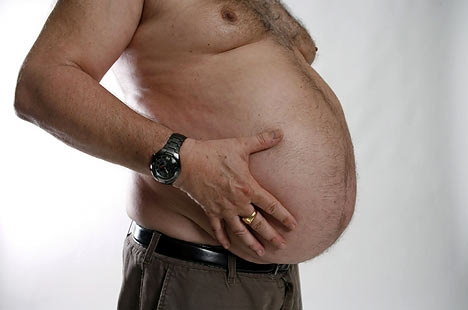
AdditivesAdult DrinksAll AboutBlog TopicsColorantsFlavoringsFood ChemistryFood SafetyInformational BlogNutritionPreservatives
Soft Drink Side Effects
Soda, pop, soft drinks, carbonated beverages will mess you up! You must think that I only write about the evil side of foods. You might be right. I promise that I’ll try to find better stuff to write about after this post. I thought it might be important to you to learn about the side effects of drinking the beverages you see advertised so often. Surprisingly, most of you still believe that if a food or drink is being sold that some “consumer protection” agency has deemed it safe for you. NO IT ISN”T. Just look around. Notice how much bigger everyone is, especially children, compared to 10 or 15 years ago.
SOFT DRINKS ARE A MAJOR PROBLEM – STOP DRINKING THEM.
The following information is mostly from an article posted by Rodale titled “9 Disturbing Side Effects of Soda” – please click the link to read the complete story. I am posting only the highlights. – jughandle
FAT In Strange Places
Danish researchers have found that drinking non-diet soft drinks leads to a large build up of fat around your liver and skeletal muscles. Fat in these areas make your body insulin resistant which in turn leads to diabetes. This fact alone shows why there has been a major increase in cases of diabetes in the last 20 years. All it takes according to the Danish study is to drink 1 regular sized soft drink every day for just 6 months to increase your liver fat by over 135% AND a 200% increase in skeletal fat. In addition other organ fats, cholesterol and your triglycerides in your blood will show a large INCREASE.
Diet Soda Won’t Save You
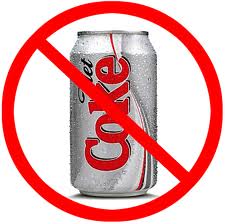
A 10 year study at the University of Texas – ” Researchers from the University of Texas Health Science Center monitored 475 adults for 10 years, and found that those who drank diet soda had a 70 percent increase in waist circumference over the 10-year study, compared with those who didn’t drink any soda. Those who drank more than two diet sodas per day saw a 500 percent waist expansion! A separate study the same researchers conducted on mice suggested that it was the aspartame, which raised blood glucose levels, that caused the weight gain; when your liver encounters too much glucose, the excess is converted to body fat.”
HELLO – a 500% increase in waist circumference??? I know people who drink 5 or more diet soft drinks per day.
Cancer Causing Caramel in Cola Drinks
“In 2011, the nonprofit Center for Science in the Public Interest petitioned the Food and Drug Administration to ban the artificial caramel coloring used to make Coke, Pepsi, and other colas brown. The reason: Two contaminants in the coloring, 2-methylimidazole and 4-methylimidazole, have been found to cause cancer in animals, a threat the group says is unnecessary, considering that the coloring is purely cosmetic. According to California’s strict Proposition 65 list of chemicals known to cause cancer, just 16 micrograms per person per day of 4-methylimidazole is enough to pose a cancer threat, and most popular brown colas, both diet and regular, contain 200 micrograms per 20-ounce bottle.”
Obviously Coke and Pepsi aren’t going to take the brown out of their drinks, so it is up to us to vote with our wallet and stop buying these products.
Phosphates in Colas Accelerate Aging
I’m begging you to not believe me and do your own research. A recent study has shown that phosphates which are also phosphoric acid compounds that are flavor enhancers and preservatives found in lots of foods not only can damage your heart and kidney, can lead to muscle loss, osteoporosis and accelerated aging.
Artificial Sweeteners Cause Water Pollution
Artificial sweeteners used in our food supply don’t break down in our bodies or in nature. Scientists can same water from our rivers and lakes and find acesulfameK, sucralose and saccharin. A recent test of 19 municipal water supplies in the US have shown the presence of sucralose in all of them. So does that mean our fish will be fatter?
Mountain Dew Mind
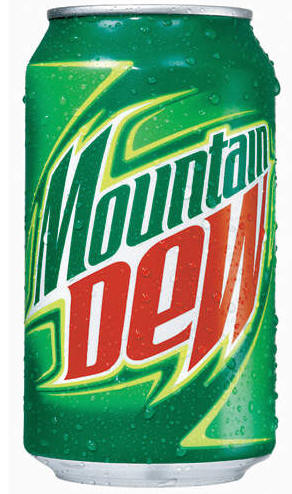
“Dentists have a name for the condition they see in kids who drink too much Mountain Dew. They wind up with a “Mountain Dew Mouth,” full of cavities caused by the drink’s excessive sugar levels. “Mountain Dew Mind” may be the next medical condition that gets named after the stuff. An ingredient called brominated vegetable oil, or BVO, added to prevent the flavoring from separating from the drink, is an industrial chemical used as a flame retardant in plastics. Also found in other citrus-based soft drinks and sports drinks, the chemical has been known to cause memory loss and nerve disorders when consumed in large quantities. Researchers also suspect that, like brominated flame retardants used in furniture foam, the chemical builds up in body fat, possibly causing behavioral problems, infertility, and lesions on heart muscles over time”
BPA
As I pointed out in a recent post, BPA or bisphenol A is everywhere. It is used to line the aluminum soda cans to keep the soda from reacting with the metal over time. This is bad, bad stuff you guys. It will mess up your, and your childrens hormones.
Conclusions
I could seriously go on and on about these and other problems, but I just want to make the point and not scare you away. I’m not perfect, I drink a soda now and then. I’ll be drinking fewer after this blog. I just want you to be aware of the dangers and do your own research. If you get even more excited and want to do something about it, send this blog or a letter to the officers of the soft drink companies and ask them to do some thing about the problems. You might be surprised to find that they already are. – jughandle

Food Pairings are sometimes more important than what you eat. Pairing certain foods together can make it either harder or easier for the body to absorb the nutrition from the food.
The following are some GREAT food pairings and why.
Tomatoes & Avocados
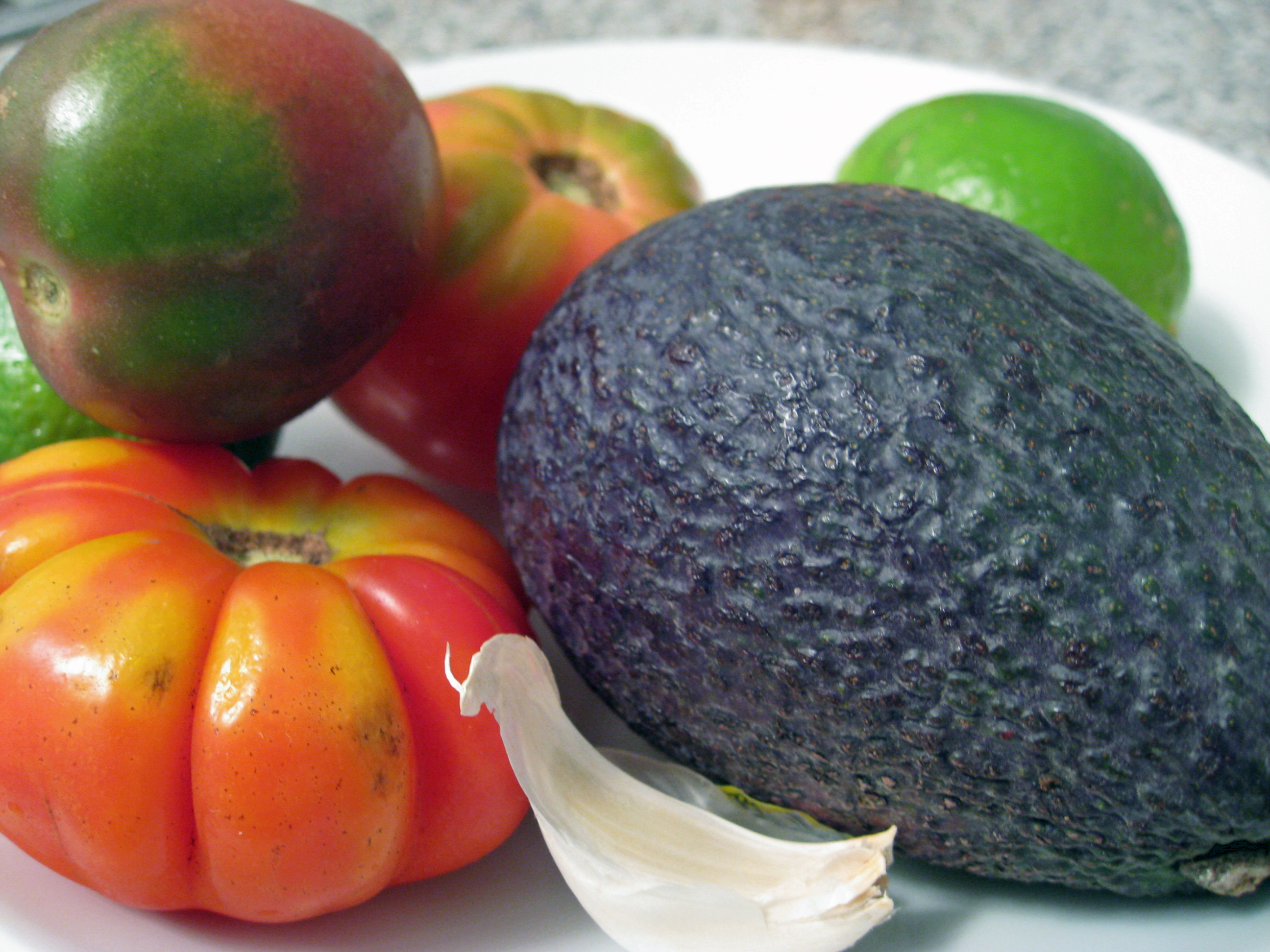
Tomatoes are rich in lycopene, a pigment-rich antioxidant known as a carotenoid, which reduces cancer risk and cardiovascular disease. Fats make carotenoids more bioavailable, a fact that makes a strong case for adding tomatoes to your guacamole.”This also has a Mediterranean cultural tie-in,” says registered dietitian Susan Bowerman of California Polytechnic State University. “The lycopene in tomato products such as pasta sauce is better absorbed when some fat (e.g., olive oil) is present than if the sauce were made fat free.” This may also explain why we love olive oil drizzled over fresh tomatoes.And when it comes to salads, don’t choose low-fat dressings. A recent Ohio State University study showed that salads eaten with full-fat dressings help with the absorption of another carotenoid called lutein, which is found in green leafy vegetables and has been shown to benefit vision. If you don’t like heavy salad dressing, sprinkle walnuts, pistachios, or grated cheese over your greens.
Read more: http://www.menshealth.com/mhlists/healthy-food-combinations/Tomatoes_Avocadoes.php#ixzz1sIhCknvH
Oatmeal & Orange Juice
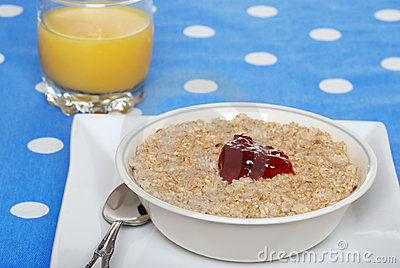
A study from the Antioxidants Research Lab at the U.S. Department of Agriculture shows that drinking vitamin C-rich orange juice while eating a bowl of real oatmeal (read: not processed) cleans your arteries and prevents heart attacks with two times as much efficacy than if you were to ingest either breakfast staple alone. The reason? The organic compounds in both foods, called phenols, stabilize your LDL cholesterol (low-density lipoprotein, or so-called “bad” cholesterol) when consumed together.
Read more: http://www.menshealth.com/mhlists/healthy-food-combinations/Oatmeal_Orange_Juice.php#ixzz1sIhbxCQu
Broccoli & Tomatoes
New research shows that this combo prevents prostate cancer, but no one is sure why. In a recent Cancer Research study, John W. Erdman Jr., Ph.D., of the University of Illinois, proved that the combination shrunk prostate-cancer tumors in rats and that nothing but the extreme measure of castration could actually be a more effective alternative treatment. (What more motivation do you need to embrace this one-two punch?)”We know that tomato powder lowers the growth of tumors,” says Erdman. “We know that broccoli does too. And we know they’re better together. But it’s going to take years to find out why.”
Read more: http://www.menshealth.com/mhlists/healthy-food-combinations/Broccoli_Tomatoes.php#ixzz1sIhksPrw
Blueberries & Grapes
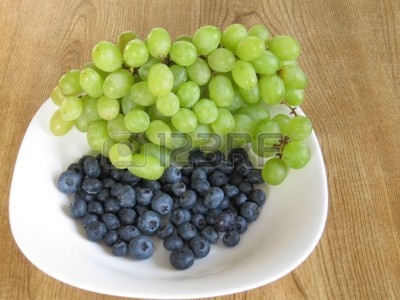
“Eating a variety of fruit together provides more health benefits than eating one fruit alone,” says Bowerman. “Studies have shown that the antioxidant effects of consuming a combination of fruits are more than additive but synergistic.”In fact, a study published in the Journal of Nutrition by Rui Hai Liu, Ph.D., from Cornell University’s department of food science, looked at the antioxidant capacity of various fruits individually (apples, oranges, blueberries, grapes) versus the same amount of a mixture of fruits, and found that the mix had a greater antioxidant response. According to the study, this effect explains why “no single antioxidant can replace the combination of natural phytochemicals in fruits and vegetables.”The author also recommends eating five to 10 servings of a variety of fruits and vegetables daily to reduce disease risks, as opposed to relying on expensive dietary supplements for these compounds. “There are a huge number of compounds yet to be identified,” adds Jacobs
Read more: http://www.menshealth.com/mhlists/healthy-food-combinations/Blueberries_Grapes.php#ixzz1sIi49HQJ
Apples & Chocolate
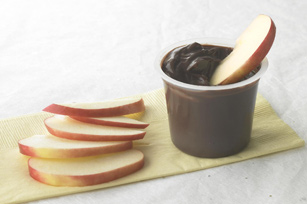
Apples, particularly Red Delicious, are known to be high in an anti-inflammatory flavonoid called quercetin, especially in their skins. (Note: It’s important to buy organic because pesticides concentrate in the skins of conventionally grown apples.) By itself, quercetin has been shown to reduce the risk of allergies, heart attack, Alzheimer’s, Parkinson’s, and prostate and lung cancers.Chocolate, grapes, red wine, and tea, on the other hand, contain the flavonoid catechin, an antioxidant that reduces the risks for atherosclerosis and cancer. Together, according to a study done by Barry Halliwell, Ph.D., a leading food science professor at the National University of Singapore, catechins and quercetin loosen clumpy blood platelets, improving cardiovascular health and providing anticoagulant activity. Quercetin is also found in buckwheat, onions, and raspberries.Susan Kraus, a clinical dietitian at Hackensack University Medical Center in New Jersey, recommends the following combinations: sangria with cut-up apples; green tea with buckwheat pancakes and raspberries; and kasha (roasted buckwheat, made in a pilaf) cooked with onions.
Read more: http://www.menshealth.com/mhlists/healthy-food-combinations/Apples_Chocolate.php#ixzz1sIiF5ce0
Lemon & Kale
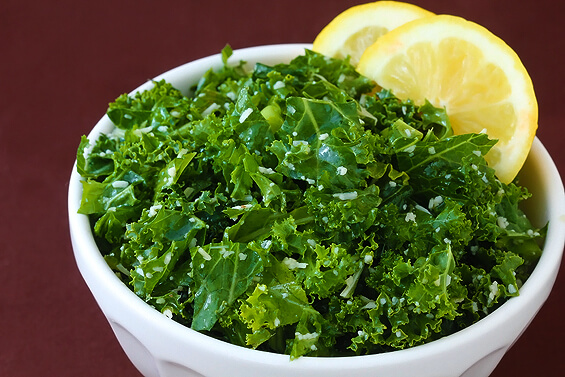
“Vitamin C helps make plant-based iron more absorbable,” says nutritionist Stacy Kennedy of the Dana Farber Cancer Institute. It actually converts much of the plant-based iron into a form that’s similar to what’s found in fish and red meats. (Iron carries oxygen to red blood cells, staving off muscle fatigue.)Kennedy suggests getting your vitamin C from citrus fruits, leafy green vegetables, strawberries, tomatoes, bell peppers, and broccoli, and getting plant-based iron from leeks, beet greens, kale, spinach, mustard greens, Swiss chard, and fortified cereals.So whether you’re sautéing dark greens or making a salad, be sure to include a squeeze of citrus. You’ll increase your immunity and muscle strength with more punch than by eating these foods separately
Read more: http://www.menshealth.com/mhlists/healthy-food-combinations/Lemon_Kale.php#ixzz1sIiTJWEV
Soy & Salmon
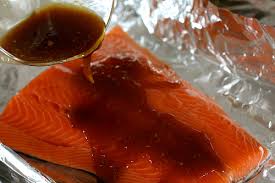
It’s true that soy has been shown in studies to lower sperm counts, but that’s mainly in processed forms such as soy cheese, soy milk, and the unpronounceable forms listed on the labels of your favorite artery-clogging processed foods. This means that eating unprocessed forms of soy, such as edamame and tofu, is perfectly fine in moderation.That’s good news because, according to Mark Messina, Ph.D., former director of the diet and cancer branch of the National Cancer Institute at the National Institutes of Health and now an adjunct associate professor at Loma Linda University, an isoflavone in soy called genistein inhibits enzymes in the colon and prostate, raising the amount of vitamin D bioavailability in those tissues. “The higher vitamin D levels may offer protection against cancer,” says Messina. “There is emerging research suggesting that vitamin D reduces cancer risk, and many people don’t get enough of the vitamin. You do make it in your skin, but most people don’t make enough.”Fish such as salmon and tuna are high in vitamin D, so take a cue from the Asian diet and eat fish with a side of edamame.
Read more: http://www.menshealth.com/mhlists/healthy-food-combinations/Soy_Salmon.php#ixzz1sIig65xS
Peanuts & Whole Wheat
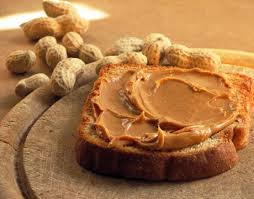
According to Diane Birt, P.D., a professor at Iowa State University and a food synergy expert, the specific amino acids absent in wheat are actually present in peanuts. You need, and very rarely receive in one meal, the complete chain of amino acids (the best form of protein) to build and maintain muscle, especially as you get older. In short, while this combo exhibits only what Birt calls a “loose definition” of food synergy, it gives good evidence that a peanut-butter sandwich isn’t junk food if it’s prepared with whole-wheat bread (not white) and eaten in moderation (once a day).So enjoy a peanut-butter sandwich right after a workout instead of drinking a terrible gym-rat shake. Just make sure the peanut butter doesn’t have added sugar, chemical ingredients you can’t pronounce, or cartoon characters on the label.
Read more: http://www.menshealth.com/mhlists/healthy-food-combinations/Peanuts_Whole_Wheat.php#ixzz1sIivMnpS
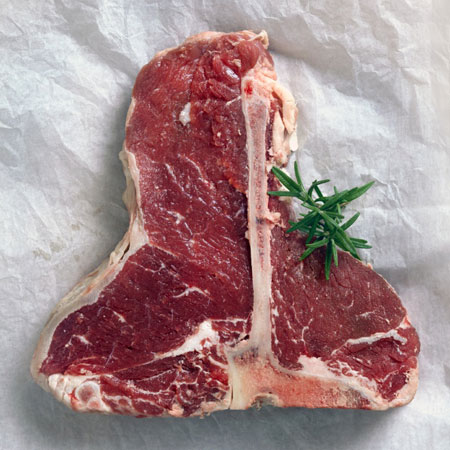
Red Meat & Rosemary
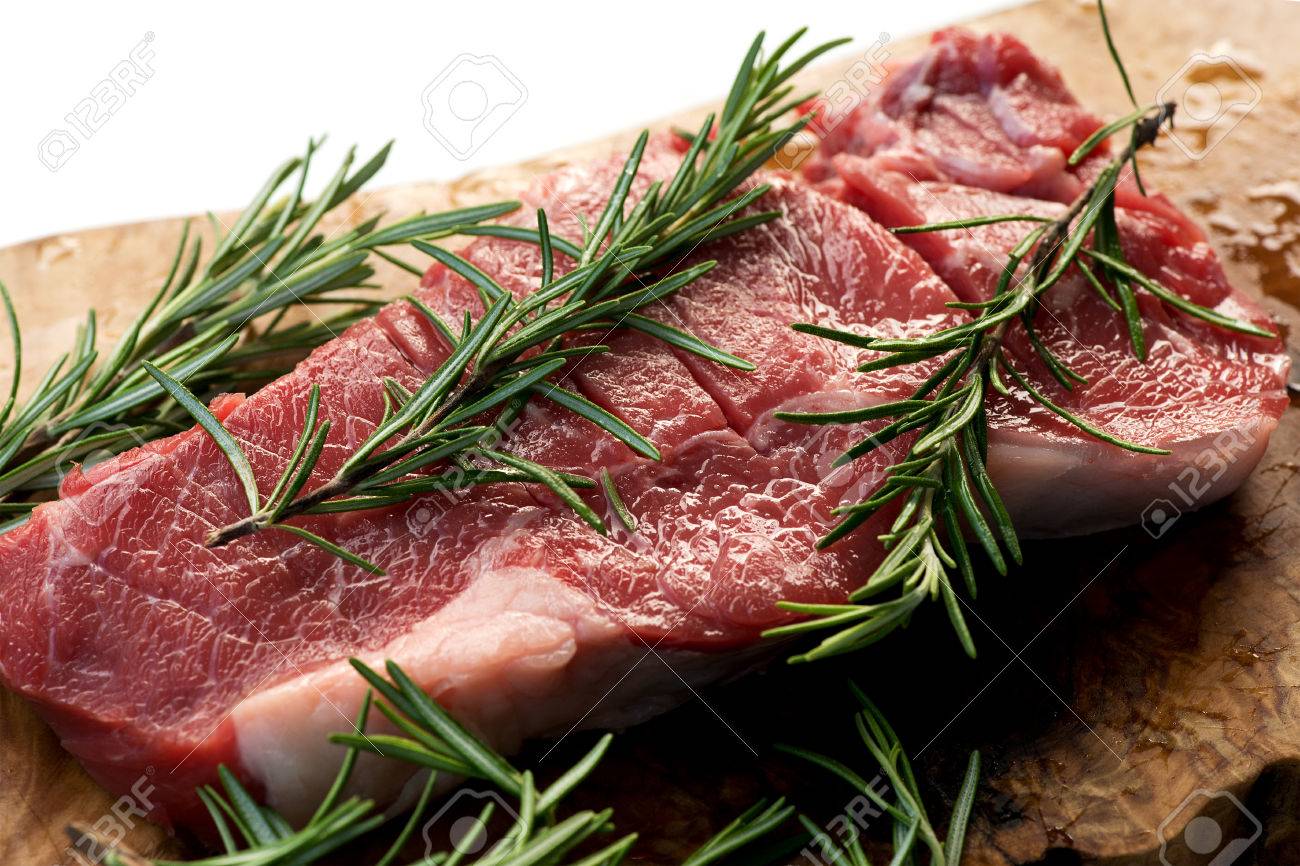
Grilling over an open flame produces nasty carcinogens, but if you get a little more experimental with your spices, you can temper the cancer-causing effects of the charred flesh.The herb rosemary, which mixes well with all kinds of grilled foods and contains the antioxidants rosmarinic acid and carnosic acid, was shown in a Kansas State University study to lower the amount of the cancer-causing heterocyclic amines (or HCAs) that appear in the charred meat when you grill at temperatures of 375°F to 400°F. Why? It’s thought that the herb’s antioxidants literally soak up the meat’s dangerous free radicals
Read more: http://www.menshealth.com/mhlists/healthy-food-combinations/Red_Meat_Rosemary.php#ixzz1sIjAcZgP
Turmeric & Black Pepper
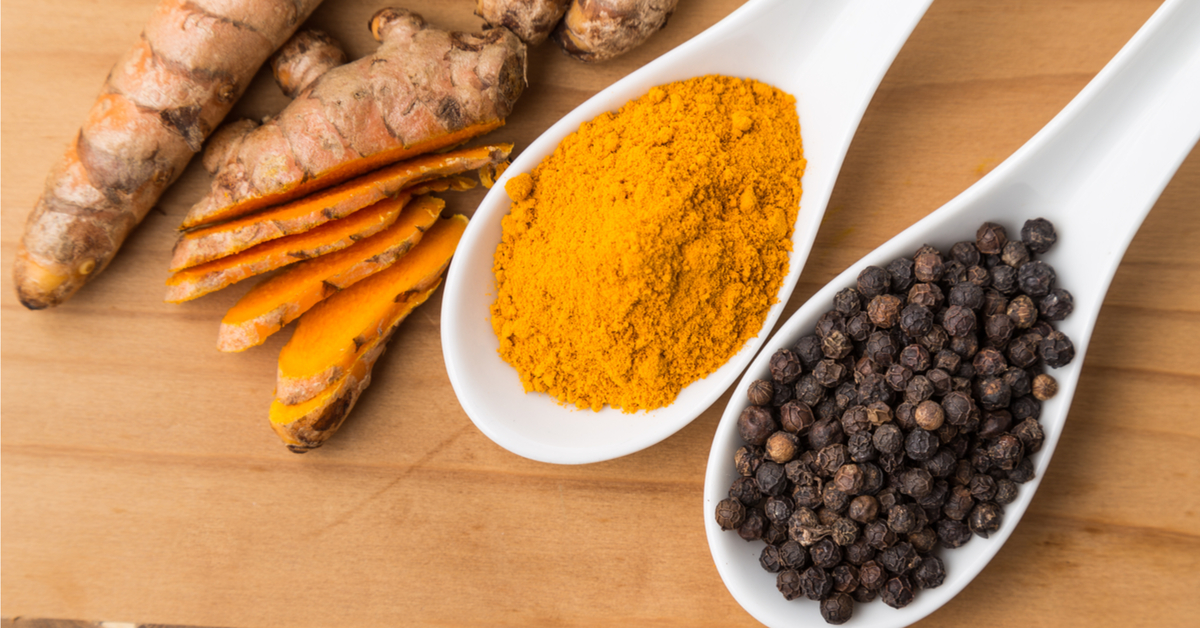
A tangy yellow South Asian spice used in curry dishes, turmeric has long been studied for its anticancer properties, anti-inflammatory effects, and tumor-fighting activities known in nutrition-speak as anti-angiogenesis. The active agent in the spice is a plant chemical, or polyphenol, called curcumin.One of the problems with using turmeric to improve your health, according to Kennedy, is its low bioavailability when eaten on its own. But there’s a solution, and it’s probably in your pantry.”Adding black pepper to turmeric or turmeric-spiced food enhances curcumin’s bioavailability by 1,000 times, due to black pepper’s hot property called piperine,” says Kennedy. “This is one reason it’s thought that curry has both turmeric (curcumin) and black pepper combined.” Translation: You’ll get the benefits of turmeric if you pepper up your curries
Read more: http://www.menshealth.com/mhlists/healthy-food-combinations/Turmeric_Black_Pepper.php#ixzz1sIjR3U6e
Garlic & Fish
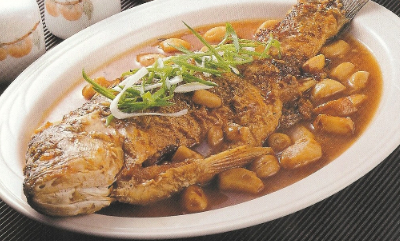
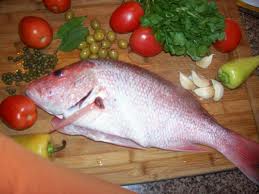
Garlic and Fish
Most seafood lovers don’t realize there’s a synergy of nutrients inside a piece of fish: Minerals such as zinc, iron, copper, iodine, and selenium work as cofactors to make the best use of the natural anti-inflammatory and cholesterol-reducing fish oils EPA and DHA.What’s more, cooking your fish with garlic lowers your total cholesterol better than eating those fillets or cloves alone. A study at University of Guelph, in Ontario, found that garlic keeps down the small increase in LDL cholesterol that might result from fish-oil supplements.Read more: http://www.menshealth.com/mhlists/healthy-food-combinations/Garlic_Fish.php#ixzz1sIjjVQfS
Eggs & Cantaloupe

Eggs and Cantaloupe
The most popular (and an awfully complete form of) breakfast protein works even better for you when you eat it with the good carbohydrates in your morning cantaloupe.
According to Kennedy, a very basic food synergy is the concept of eating protein with foods that contain beneficial carbohydrates, which we need for energy. Protein, Kennedy reminds us, slows the absorption of glucose, or sugar, from carbohydrates.
“This synergy helps by minimizing insulin and blood-sugar spikes, which are followed by a crash, zapping energy. High insulin levels are connected with inflammation, diabetes, cancer, and other diseases. By slowing the absorption of glucose, your body can better read the cues that you are full. This helps prevent everything from overeating to indigestion.”
So cut as many bad carbs (i.e., anything white, starchy, and sugary) as you want. But when you eat healthful carbs (whole grains, fruit, vegetables), don’t eat them on their own.
Read more: http://www.menshealth.com/mhlists/healthy-food-combinations/Eggs_Cantaloupe.php#ixzz1sIk10KC8
Almonds & Yogurt
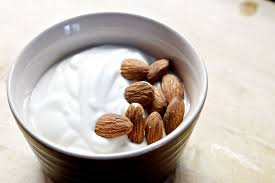
We already know that good fats help increase lycopene absorption. But did you know that many essential vitamins are activated and absorbed best when eaten with fat?
Vitamins that are considered fat-soluble include A, D, and E. Carrots, broccoli, and peas are all loaded with vitamin A and should be paired with a healthy fat such as the kind found in olive oil. Vitamin D—rich products include fish, milk, yogurt, and orange juice.
So toss some almonds into your yogurt, eat full-fat dairy foods, and pair your morning OJ with a slice of bacon. To get the most vitamin E with fat-soluble foods, try baked sweet-potato slices or spinach salad topped with olive oil.
Read more: http://www.menshealth.com/mhlists/healthy-food-combinations/Almonds_Yogurt.php#ixzz1sIkBhtaG
Food Pairing is a science into itself. More than just a taste experience, it is important for our health. Ever so often I dust off and update this blip on food pairing because the topic is so relevant. Most of these pairings may seem natural to you, but all of them are based on sound food chemistry. – jughandle
Heard of pairing wine with food for the best flavor experience? Sure, but I bet most of you didn’t know that pairing certain foods together can help you fight cancer, did you? The right pairings can also ward off depression and aid in digestion and nutrient absorption. The following information is from an article at Rodale.com
1. Steak and Rosemary
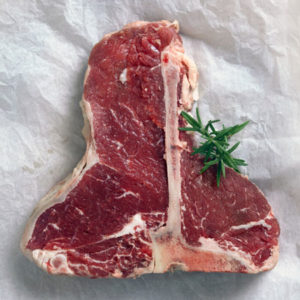
The Health Benefit: The combination helps in neutralizing carcinogens created when meat is cooked above 325 degrees Fahrenheit
Why It Works: Rosemary is rich in rosmarinic and carnosic acids that stop cancer-causing heterocyclic amines from forming on cooked meat. “People have concerns about eating grilled meat,” says Dr. Ramsey, who keeps potted rosemary in his kitchen. “This combination is one way that I like to use food synergy to increase the health of a dish.”
Try It! Snip a sprig of rosemary, remove the main stem, chop, and add to olive oil, salt, and lemon juice to create a healthy marinade. Choose grass-fed beef for healthier fat ratios and to avoid veterinary drug residues.
2. Beet Greens and Chickpeas
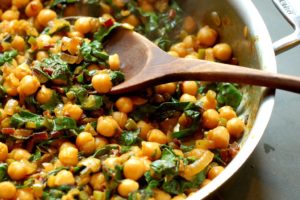
The Health Benefit
: Natural mood boost from a much-needed mineral
Why It Works: Magnesium is essential for low anxiety and happiness, but 70 percent of Americans don’t get enough. Beet greens are loaded with the calming mineral, and the B6 in chickpeas maximizes magnesium absorption in the body.
Try It! Look for local, organic beet greens this spring at your farmer’s market. Soak and cook dried, organic chickpeas to avoid hormone-disrupting chemicals that can be found in canned foods.
3. Fish and Broccoli
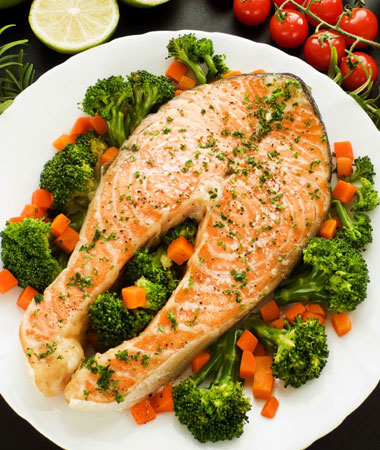
The Health Benefit: A delicious way to stifle cancer growth
Why It Works: Many fish, salmon, and mackerel are rich in the thyroid-protecting, cancer-fighting mineral selenium. When paired with broccoli, a veggie rich in sulforaphane, the compounds are 13 times more effective in slowing cancer cell growth than when eaten solo.
Try It! Remember to avoid farmed salmon and choose wild-caught Alaskan salmon to avoid parasites and contamination that can kill off the wild salmon.
4. Red Wine and Almonds
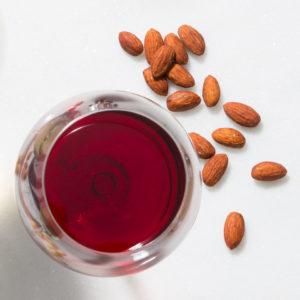 The Health Benefit: A natural combo that keeps your heart happy
Why It Works: The antioxidant resveratrol in red wine and almond’s naturally high levels of vitamin E work together in the blood and improve blood vessel health.
Try It! Look for organic wine, since conventional versions have been found to harbor pesticide residues. (The same holds true for the almonds.)
5. Green Tea and Lemon
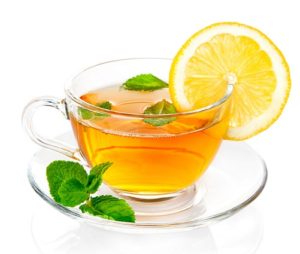 The Health Benefit: A delicious way to sip your way to natural cancer prevention while jump-starting weight loss
Why It Works: Vitamin C-rich lemons help to maximize your body’s ability to absorb catechins, the heroic disease-fighting antioxidant found in green tea.
Try It! If you drink tea, consider investing in organic loose-leaf tea and a stainless steel, reusable tea infuser to reduce packaging waste.
6. Turmeric & Black Pepper
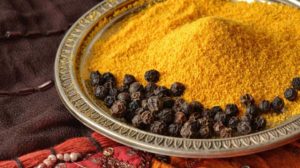 The Health Benefit: Superstar spice combo erases inflammation and could ward off Alzheimer’s disease and cancer while combating high cholesterol and improving liver function
Why It Works: Turmeric is one spice that everyone needs to use. Just be sure to combine it with black pepper, which helps your body absorb a thousand times more curcumin, the active ingredient in turmeric.
7. Pastured Pork and Sauerkraut
 The Health Benefit: Non-starchy and fermented veggies/animal protein combo will keep your gastrointestinal tract on track
Why It Works: Steering clear of starches when eating meat will help your digestive system focus on breaking down the animal protein. A bonus is boosting absorption and reducing uncomfortable bloating, heartburn, gas, and stomach pain. Fermented vegetables, such as sauerkraut, bolster digestion-friendly probiotics in your body, building up your immune system in the process.
Try It! Opt for grass-fed pork. It’s free of health-harming antibiotics and chemical preservatives and rich in thiamine, a B vitamin vital for proper nervous system functioning. As a general rule of thumb, Gates notes that animal protein meals go best with non-starchy vegetables like green beans, broccoli, kale, collards, and spinach.
8. Eggs and Cheese
 The Health Benefit: Clearer thinking, reduced PMS symptoms, weight loss
Why It Works: Naturally occurring vitamin D in egg yolks optimizes your body’s absorption of the cheese’s bone- and heart-protecting calcium. Sufficient calcium levels also promote neurotransmitter health and stabilize hormones, which reduces PMS symptoms and weight gain.
Try It! Look for eggs and cheese from grass-fed farm animals. Find local, sustainable sources at LocalHarvest.org.
9. Tortilla and Veggies
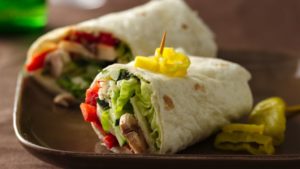
The Health Benefit: A flatter belly, thanks to reduce bloating and gassiness
Why It Works: Pairing vegetables with grains or grain-like seeds like millet or quinoa—and leaving out the meat—will reduce unpleasant bloating and gassiness, according to gut guru Gates. Starchy vegetables like artichokes, peas, potatoes, yams, and corn and non-starchy veggies like broccoli, kale, and green beans will keep your gastrointestinal tract on track. “A corn tortilla filled with stirred fried vegetables is great. Try onions, red pepper, zucchini, and broccoli. Season it with Tex Mex seasoning to make a delicious meal. Plus it is so much easier to digest than a tortilla made with beef or chicken,” Gates says.
Try It! Top your tortilla off with a spoonful of cultured veggies to optimize digestion and reduce cravings for sugar later in the day.
10. Fermented Food + Anything
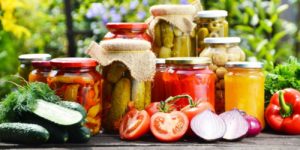
The Health Benefit: Sugar cravings float away with kimchi and other sour superfoods.
Why It Works: “I can’t say enough how wise it is to add a fermented food to any meal—no matter what you are eating,” says Gates. Superstars in the natural food world, fermented foods like kimchi are loaded with feel-good probiotics that not only improve digestion, but also help stave off sugar cravings. “They must be in your program if you are trying to lose weight,” Gates adds. “They taste sour and take away the desire for sweets.”
Try It! Look for jarred kimchi in your supermarket or save money by doing it yourself: The Easiest Way to Ferment Vegetables.
All AboutBlog TopicsColorantsFlavoringsFood ChemistryFood SafetyGlycemic IndexInformational BlogKid Safe FoodNutritionPreservatives
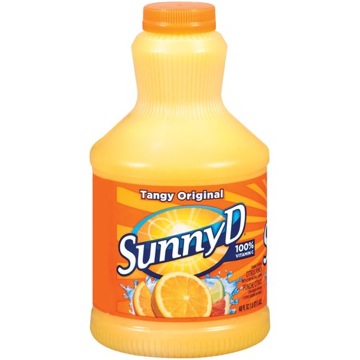
Kid Safe Alert: Sunny D
This blog is dedicated to helping you make the wise, healthy food choices. With that in mind, Jughandle’s Fat Farm can not recommend Sunny D made by Procter & Gamble for either you or your children.
Read the Label
The two major ingredients are water and corn syrup. Less than 2 percent is concentrated fruit juice. The rest is artificial colors, sweeteners, canola oil and sodium hexametaphosphated.
Miss leading health claims
The label says 100% vitamin C. That alone is NOT health. Many vegetables and fruits contain 100 percent of your daily allotment of vitamin C in a single serving.

FoodFacts.com
Sunny D receives a very low 14 score on Foodfacts.com health index.
Sunny D contains:
MSG, corn, flavorings and other controversial additives including colorants.
Ingredients:

Water, Corn Syrup High Fructose Contains 2% or less of the Following: ( Juice(s) Concentrates (Orange(s),Tangerines, Apple(s), Lime, Grapefruit), Citric Acid,Ascorbic Acid, Thiamin Hydrochloride (Vitamin B1),Flavor(s) Natural, Corn Starch Modified, Canola Oil,Sodium Citrate, Cellulose Gum, Xanthan Gum, Sodium Hexametaphosphate, Sodium Benzoate, Yellow 5,Yellow 6
Nutrition Facts
- Serving Size 8 oz
- Servings Per Container 16
- Calories 120Calories from Fat 0
- % Daily Value*
* Percent Daily Values are based on a 2,000 calorie diet. Your daily values may be higher or lower depending on your calorie needs.
Weight Watcher’s Winning Points®**: 2
Weight Watcher’s PointsPlus®**: 3
** Weight Watchers® and Points® are registered trademarks of Weight Watchers International, Inc. The number of Points provided here were calculated by Food Facts, Inc. based on published Weight Watchers International, Inc. information and do not imply sponsorship or endorsement of such number of Points, Food Facts, Inc., or the above product by Weight Watchers International, Inc.